The Turó de la Rovira: Barcelona’s historic view point
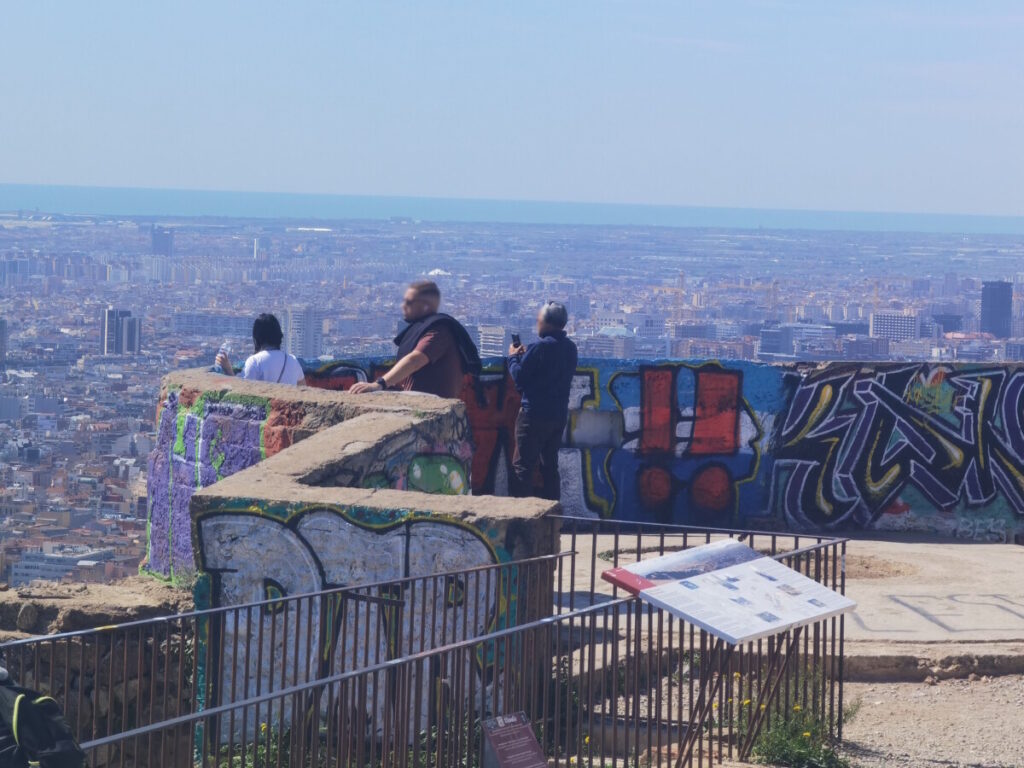
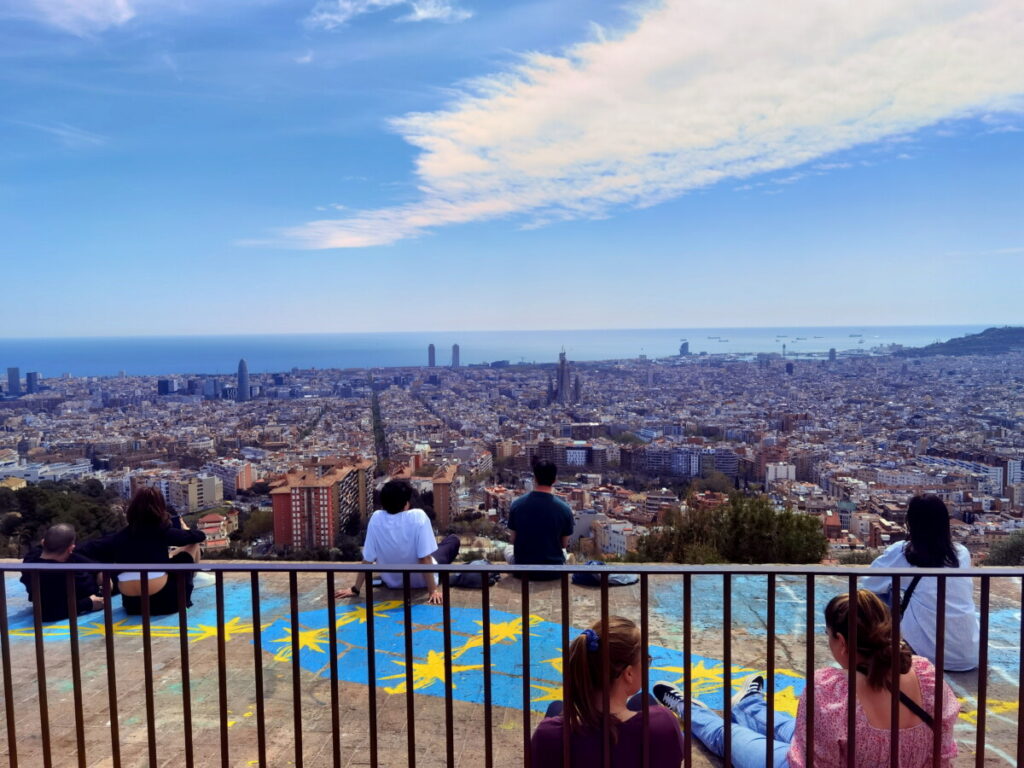
Turó de la Rovira, which translates to “Hill of the Oaks,” is one of the most fascinating places in Barcelona. Standing at a height of 262 meters in the El Carmel district, it offers a breathtaking 360-degree view of the entire city—from the sea in the east to Mount Tibidabo in the west. While it is a paradise for photographers, what looks like a perfect viewing platform today has a deep and solemn history rooted in the soul of Barcelona.
The Anti-Aircraft Battery: The ‘Bunkers’ of the Spanish Civil War
The most significant historical phase of the hill began during the Spanish Civil War. Due to its unobstructed location, Turó de la Rovira was the ideal spot for an anti-aircraft battery. In 1937, Republican forces established this military facility to protect the city from devastating air raids by nationalist and fascist forces.
The ruins visible today are what most people know as the Bunkers del Carmel. Interestingly, these are not technically bunkers, but rather the concrete bases of gun emplacements that once held four powerful cannons. Visitors can still see the remains of the command center, the barracks, and the ammunition depots. Today, the site serves as an important memorial, documenting the horrors of the air war in Barcelona.
–> Bunkers del Carmel

The Barri dels Canons: Life in the Ruins of Turó de la Rovira
After the Civil War, the purpose of the hill changed drastically. Spain was impoverished, and Barcelona suffered from a massive housing shortage. Starting in the late 1940s, hundreds of people began to inhabit the empty and partially destroyed military structures. This grew into an informal settlement known as the Barri dels Canons (the “Neighborhood of the Cannons”).
The residents improvised their homes within the ruins, often living under incredibly harsh conditions without running water or electricity. This makeshift district stood in stark contrast to the developing city center of Barcelona. The neighborhood existed for decades and was only demolished in preparation for the 1992 Olympic Games, when the inhabitants were relocated to modern apartments. Today, this period of history is considered just as significant as the site’s military past and is documented by the Barcelona City History Museum (MUHBA) on-site.
–> all information and details of the MUHBA Turó de la Rovira
Turó de la Rovira Today: Views and Historical Awareness
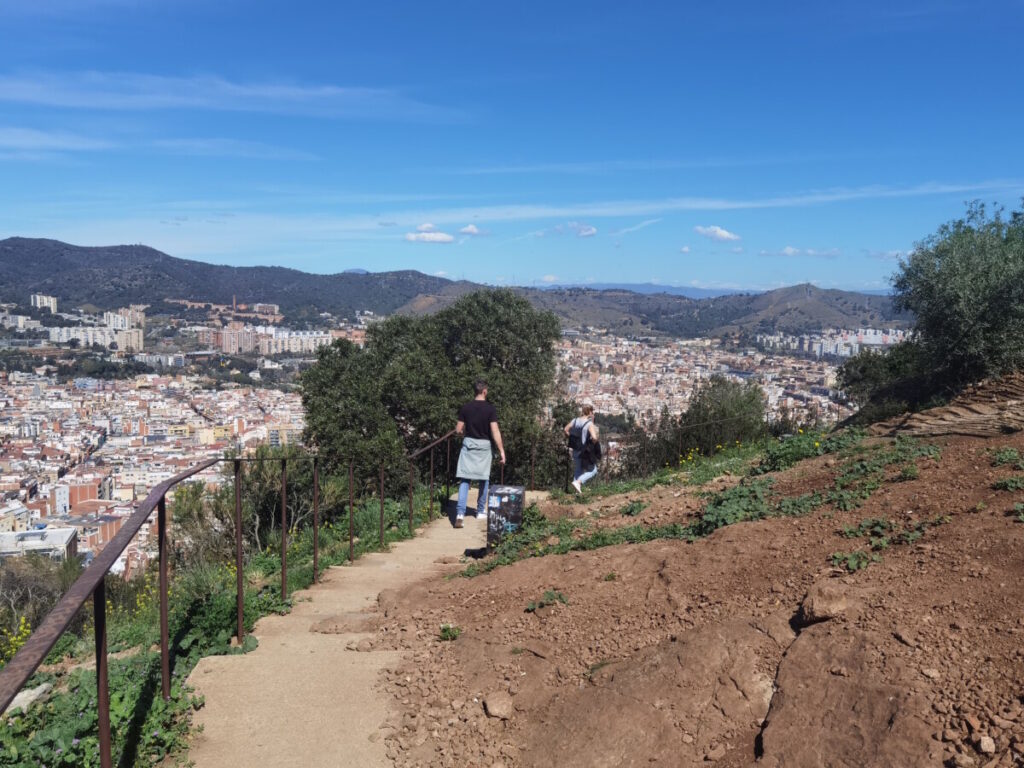
Today, the Turó de la Rovira is a space for everyone. It serves as a public open-air museum that brings the city’s history to life. You can wander between the old gun emplacements and the remains of the wartime structures, imagining the cannons that once fired from here or how people later lived in the barracks. The climb is steep and exhausting, but it is well worth it for the view. You can see practically everything: the silhouette of the Sagrada Família, the iconic grid pattern of the Eixample district, and the ships in the harbor. At sunset, the atmosphere is truly magical. However, the city administration has now restricted access times to protect local residents—something every visitor should keep in mind. The Turó de la Rovira remains a must-visit for anyone who wants to experience more than just the surface of Barcelona and understand its moving history.
Related Links:
- discover the neighbourhood of El Carmel
- how to get there
- there is the sunset in Barcelona
For MORE TIPS to THE AUTHOR,
If you want to see the values of historical walls are worth the old town of Bernkastel-Kues,. The largest rock in the Palatinate, the Altschlossfelsen, where you have a great view of you. Impressive vantage points to the gigantic Kaprun reservoirs.
Common questions for Turó de la Rovira
Turó de la Rovira is the geographical name of the entire hill (the place). Bunkers del Carmel is the colloquial name for the historical ruins of the military installation located on this hill.
No, there is no entrance fee for Turó de la Rovira. Visiting the entire site, including the viewpoint and the ruins of the former anti-aircraft battery (the so-called Bunkers del Carmel), is
completely free .
The most convenient option is the bus (e.g., lines V17 or 119), as it goes closest to the summit. If you take the metro, you should expect a fairly long and steep walk (often 30 minutes or more). It’s worth it, though, because there’s plenty to see along the way. The path is steep , often uneven, and includes stairs, so you should wear sturdy shoes and be reasonably fit.
The Barri dels Canons (Cannon Quarter) no longer exists as an intact settlement. The huts and shacks were completely demolished during urban development and the relocation of residents in the late 1980s and early 1990s . So you no longer see the makeshift houses as they once stood there, but the traces and the memory of them are preserved thanks to the MUHBA (Barcelona History Museum).